


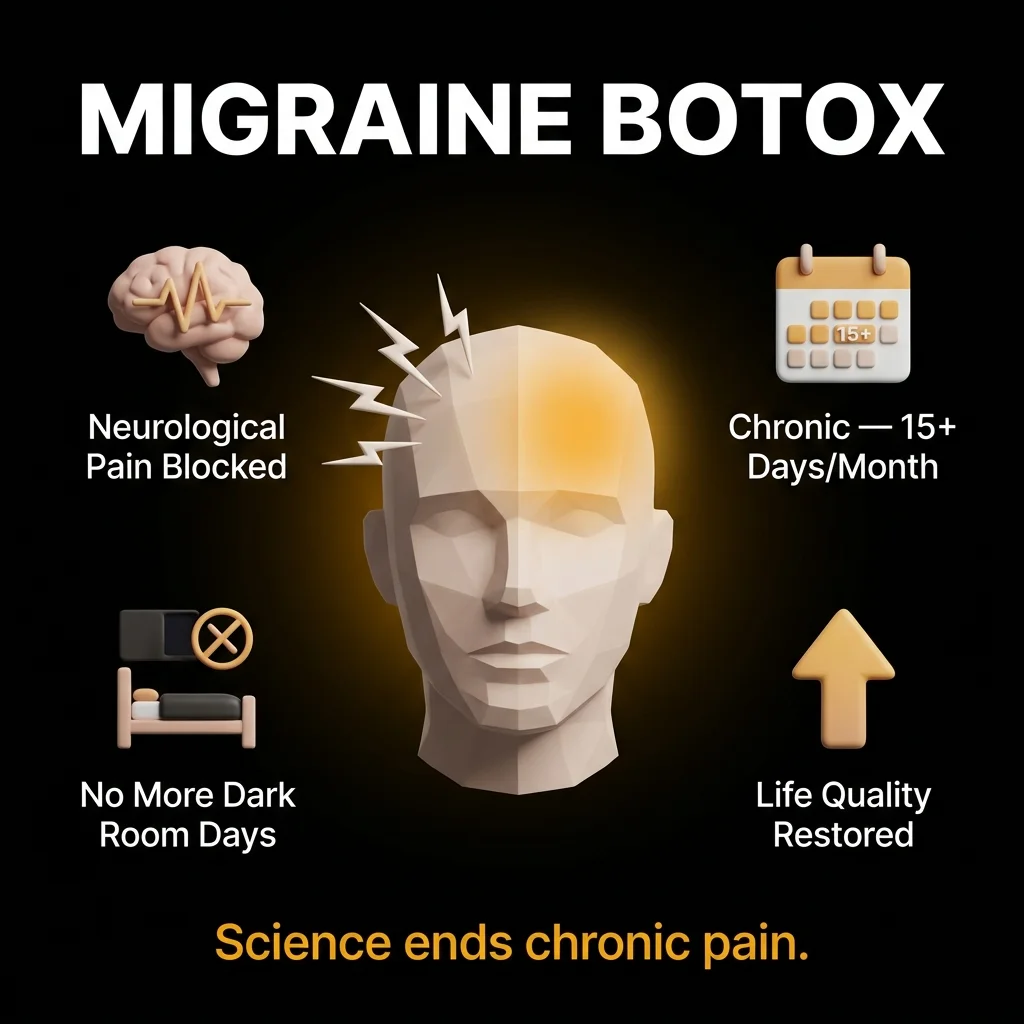
Migraine is one of the most common neurological disorders and the leading cause of significantly reduced quality of life among headache complaints in society. Far more than just a simple headache, migraine is a serious syndrome that profoundly affects an individual’s social life, professional career, family relationships, and psychology, effectively bringing life to a standstill. For patients who have spent years confined to dark, silent rooms waiting for painkillers to take effect, one of the most innovative and satisfying treatment methods offered by the medical world today is Migraine Botox application.
On this page, we address the anatomy of migraine disease, its triggers, and all the details of Migraine Botox treatment—a revolutionary solution against chronic pain—with a scientific approach.
What is Migraine and Why Does it Occur?
Migraine is a chronic neurological disease that progresses in attacks, resulting from the stimulation of blood vessels and nerve pathways within the brain by abnormal chemical signals. Although the exact origin of the pain is not known with certainty, it is accepted that electrical and chemical changes in the brain’s pain transmission pathways lead to this condition.
While migraine attacks vary from person to person, the medical world has identified several universal factors that trigger these pains:
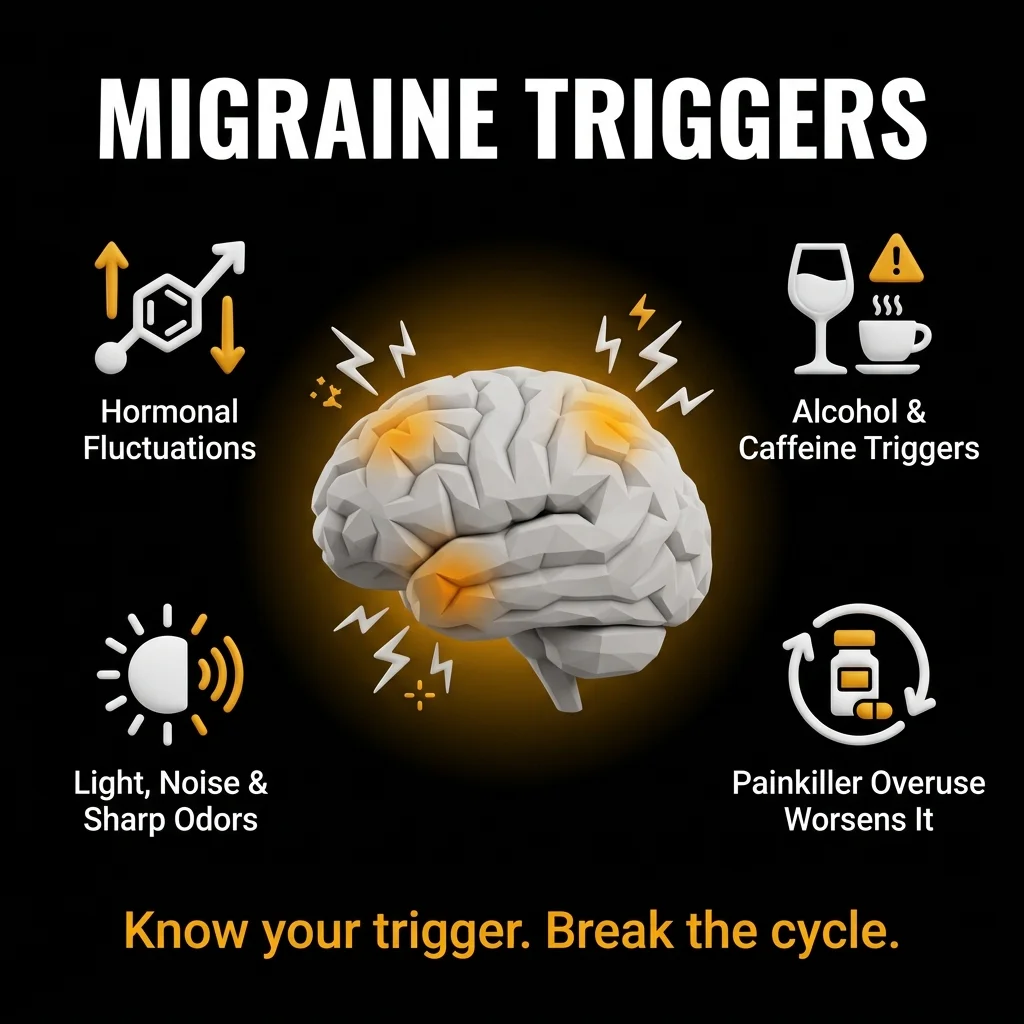
- Hormonal Changes: Fluctuations in estrogen levels, particularly in women (menstrual period, menopause, or pre-pregnancy), directly trigger attacks.
- Stress and Emotional Sensitivity: Intense stress, anxiety, excessive sadness, or sudden joy can trigger pain by affecting brain chemistry.
- Dietary Habits and Alcohol: Certain types of cheese, processed foods, chocolate, excessive caffeine consumption, and especially alcohol use (red wine, etc.) are the most well-known triggers.
- Environmental Factors: Excessively bright light, loud or rhythmic noises, and sharp odors (perfume, thinner, cigarette smoke) overstimulate the nervous system.
- Sleep Irregularity: Sleeping too little, sleeping too much, or jet-lag situations.
- Medication Immunity (Medication Overuse): Painkillers used unconsciously and too frequently to stop migraine attacks create a vicious cycle over time called “medication overuse headache,” making the migraine chronic.
What are the Symptoms of Migraine?
A migraine attack, unlike an ordinary headache, manifests itself with very specific symptoms that can last between 4 to 72 hours:
- Severe and throbbing headache, usually concentrated on one side of the head (right or left half).
- Extreme sensitivity to light (photophobia) and sound (phonophobia), leading to a search for dark and silent environments.
- Nausea and vomiting in severe cases.
- Before the attack, a phase called “Aura” which may include blurred vision, flashes of light, seeing zigzag lines, or a tingling sensation in the arms/legs.
- Aggravation of pain during routine physical activities (climbing stairs, bending over, etc.).
How is Botox Used in Migraine Treatment?
The use of Botox (Botulinum toxin) in migraine treatment is one of the most interesting coincidences in medical history. Scientific research was initiated after patients receiving aesthetic Botox (to eliminate wrinkles in the eye area, forehead, and glabella) reported that their tension-type headaches and migraine attacks, which they had suffered from for years, decreased or disappeared entirely.
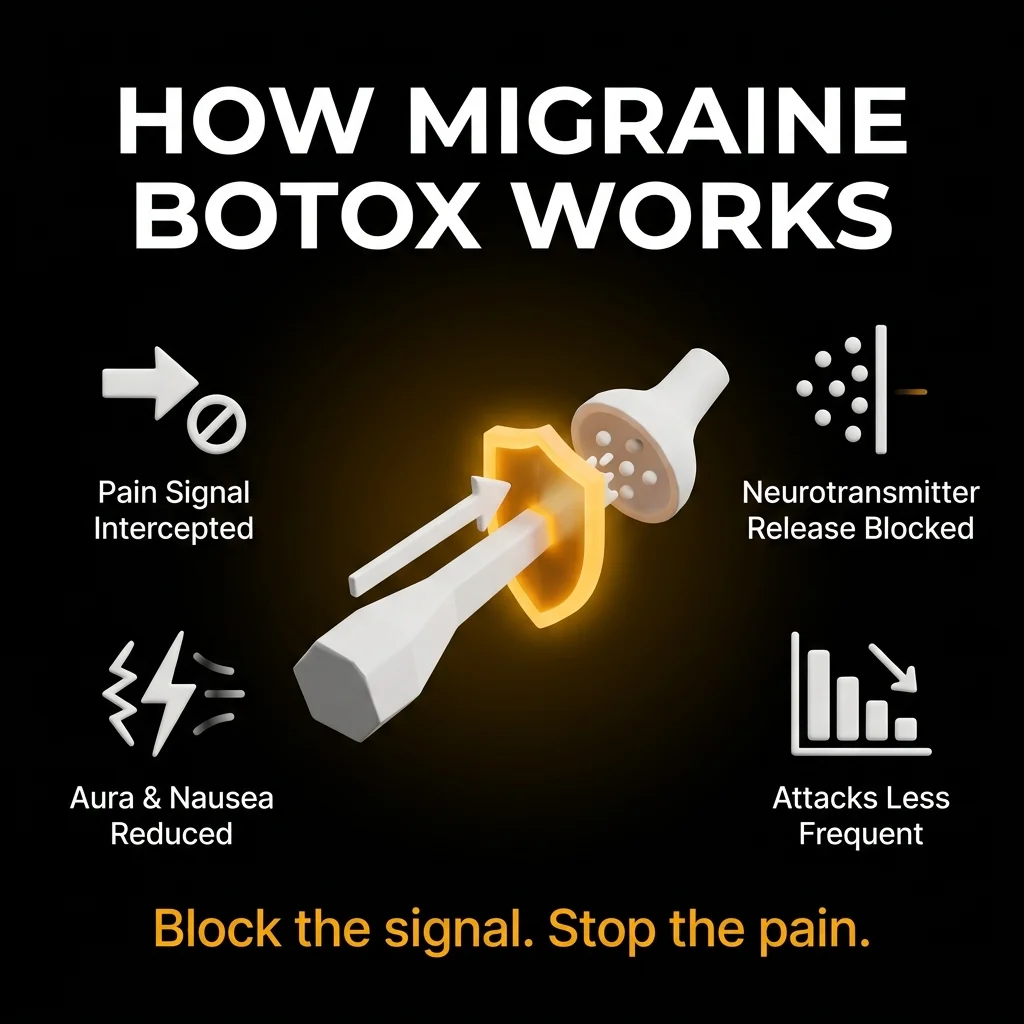
Today, it is definitively proven that Migraine Botox provides treatment by interrupting the abnormal communication between muscles and nerves in the brain. When the toxin is injected under the skin, it does not just relax the muscles; it also blocks the release of neurotransmitters (chemical messengers) that function in the pain pathways and carry “pain” signals to the brain. By creating a shield at the nerve endings, it prevents the compression and stimulation of pain-producing nerves in the brain. In this way, the onset of migraine attacks is blocked at the source.
Who is Migraine Botox Suitable For? Who is it Not Suitable For?
This treatment method is an FDA-approved, highly effective treatment for chronic migraine patients who experience headaches more than 15 days a month, with at least 8 of those days being migraine-specific. Furthermore, it has become a primary choice for patients who wish to avoid the side effects of painkiller medications or those who have not responded to pharmacological treatment.
Before the application, the patient must undergo a detailed neurological evaluation. Underlying anatomical causes of pain (such as tumors, aneurysms, etc.) must be ruled out through physical examination, blood tests, and, if necessary, MRI scans.
Who is Migraine Botox Not Applied To?
This procedure is not applied to:
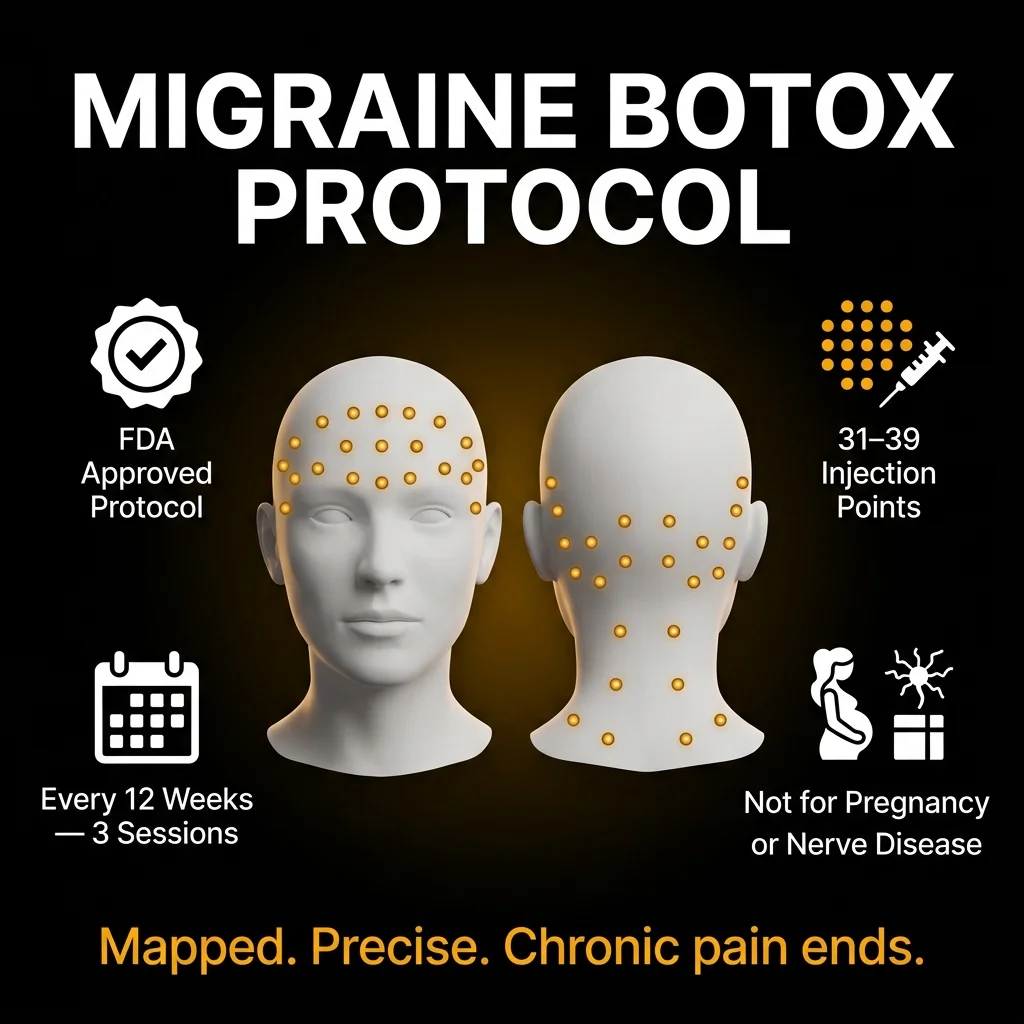
- Pregnant women and breastfeeding mothers,
- Individuals with an allergy to botulinum toxin,
- Individuals with certain muscle and nervous system diseases such as Myasthenia Gravis or ALS,
- Patients with active skin infections in the injection areas.
How is Migraine Botox Performed? The Procedure
The application is carried out in a clinical setting by experienced neurologists with a full command of anatomy, following a specific injection map known in medical literature as the “PREEMPT” protocol.
- Preparation: The patient’s scalp, forehead, and neck areas are sterilized.
- Injection: Shallow injections are made just under the skin using very fine-tipped micro-needles (similar to insulin needles).
- Application Areas: The medication is injected into a total of 31 to 39 different points, including the forehead, temples, back of the head (occipital region), neck, and shoulder (trapezius) muscles. Dosages are meticulously adjusted to avoid disrupting facial aesthetics.
- Duration and Comfort: No unbearable pain is felt during the procedure; a slight stinging sensation is normal. The entire operation is completed in an average of 15 to 20 minutes. The patient can return to daily life immediately after the procedure.
For Migraine Botox to be effective and to prevent migraine attacks from becoming chronic, it is generally recommended to undergo at least 2 or 3 sessions at intervals of 12 weeks (3 months). With regular applications, the frequency, severity, and duration of attacks decrease dramatically.
Frequently Asked Questions (FAQ)
We have gathered the most frequently asked questions about the treatment and the topics our patients are most curious about for you:
Is Botox a permanent cure for migraines?
While Botox is not a permanent cure for migraines, it is one of the most effective treatments for managing chronic migraines. This FDA-approved procedure can reduce the frequency, severity, and duration of headache days by more than 50% for many patients. The effects typically last between 3 to 4 months, and for optimal results, it is recommended as a long-term preventative treatment to significantly improve quality of life.
How long does it take for migraine Botox to work?
The effects of migraine Botox are usually not immediate. Most patients begin to notice initial relief and a reduction in the frequency of headaches within 2 to 4 weeks after the injection. However, the preventative effects of Botox are cumulative. This means that to experience the maximum benefit and full efficacy of the treatment, it typically takes two to three treatment cycles (approximately 6 months). Consistency is key for long-term migraine management.
Can cosmetic Botox help with migraines?
While cosmetic Botox (used for wrinkles) may occasionally provide mild relief for tension headaches in the forehead, it is not sufficient to treat chronic migraines. Cosmetic treatments involve small doses injected into just a few localized areas, like the frown lines and crow’s feet. In contrast, migraine Botox follows a specific medical guideline known as the PREEMPT protocol, which requires a significantly higher dosage injected across 31 specific sites, including the forehead, temples, back of the head, neck, and shoulders. Therefore, cosmetic Botox alone will not provide the necessary neurological relief for migraines.
What are the side effects of Botox for migraines?
Botox for migraines is generally well-tolerated by most patients. The most commonly reported side effect is temporary neck pain, which occurs due to the injections administered in the back of the head and shoulder muscles. Other mild side effects may include injection site tenderness, redness, or a temporary headache shortly after the procedure. In very rare cases, eyelid drooping (ptosis) may occur. These side effects are typically mild and resolve on their own within a few days to a few weeks.
At what age can you get Botox for migraines?
According to FDA guidelines, Botox for chronic migraines is officially approved for adults who are 18 years of age and older. It is not currently approved for children or adolescents under 18. However, in severe cases where teens do not respond to traditional medications, a pediatric neurologist may consider administering the treatment ‘off-label’. Despite this, the standard clinical protocol is to begin migraine Botox treatments from age 18.

Op. Dr. ALİ OĞUZ DEMİR
Otolaryngologist (ENT Specialist)
Following his specialization training, Dr. Ali Oğuz Demir has performed over 500 rhinoplasty surgeries. He holds a National Certificate of Professional Competence, has completed theoretical and practical training at the School of Facial Plastic Surgery, and has international clinical and observational experience from Dr. Yves Saban’s clinic in France.
Migraine Botox
Take the First Step for a New Beginning!
Clinic Address:
Contact Us
Escape Dark Rooms, Achieve a Pain-Free and Free Life
The decision for Migraine Botox is one of the most valuable health investments you can make for yourself to reclaim your quality of life. Meet our expert team to leave behind those severe pains that disconnect you from your loved ones and social life, and to step into a brand-new era where you live without the fear of attacks. You can contact our clinic and schedule a consultation appointment to answer all your questions and create your personalized treatment plan. We are here to help you and support you throughout this healing process!