


Allergic Rhinitis (Hay Fever)
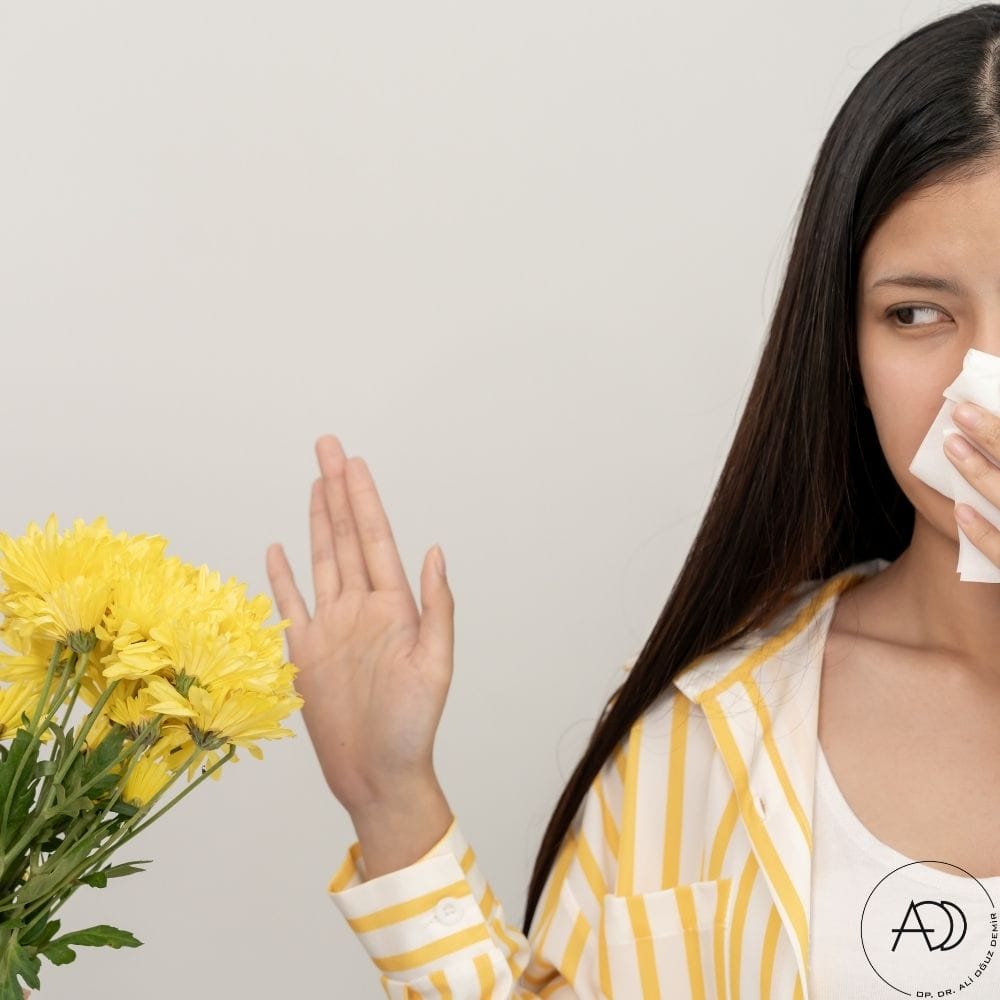
While the awakening of nature with the arrival of the spring months is a source of happiness for most people, for some, it is the harbinger of endless sneezing fits, a constantly runny nose, and watery eyes. The main reason for this condition, which seriously reduces daily life, sleep quality, and work performance, is allergic rhinitis, referred to as allergic cold (hay fever) in medical literature.
Allergic rhinitis, which can take away your life comfort not only in certain seasons but sometimes every day of the year, is not your fate. It is possible to control allergic reactions and take a deep, comfortable breath with accurate diagnosis and personalized modern treatment methods. On this page, we have compiled the causes, triggers, and the most up-to-date treatment options for allergic rhinitis for you.
What is Allergic Rhinitis (Hay Fever)?
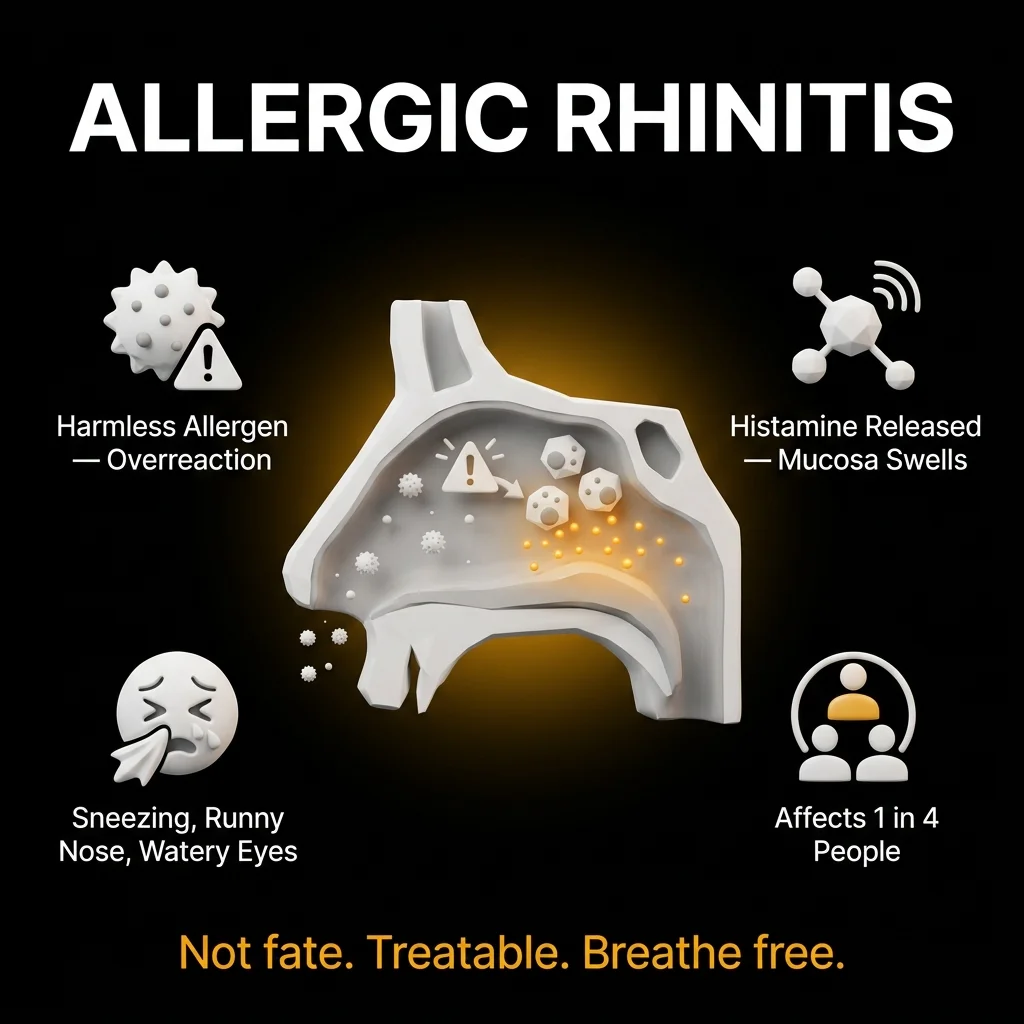
Allergic rhinitis is the condition where the immune system of individuals who are genetically predisposed to allergies (atopic structure) perceives substances taken through the respiratory tract that are actually completely harmless to the body (allergens) as a “dangerous foreigner” and shows an excessive defense reaction against them.
When the immune system encounters these harmless substances, it secretes a chemical called histamine. This chemical causes swelling, inflammation, and excessive fluid production in the nasal mucosa, creating the rhinitis profile. This disease, which usually starts to appear frequently in childhood or between the ages of 5-20, is an extremely common health problem affecting an average of one-fourth of society (one in every four people).
What are the Primary Triggers (Allergens) of Allergic Rhinitis?
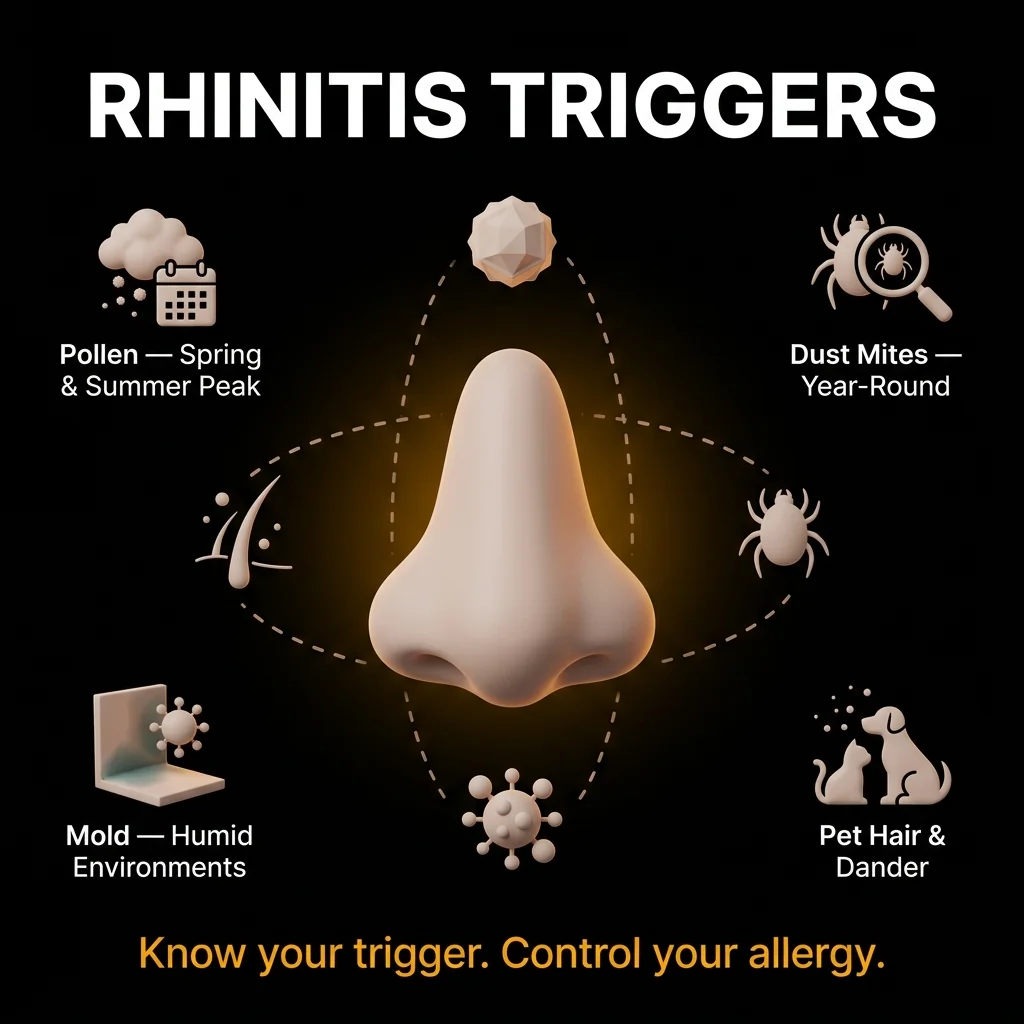
When and with what severity the disease occurs depends on which allergen the person is sensitive to. The most important allergens that can lead to allergic rhinitis are:
- Pollens (Tree, Grass, and Meadow Pollens): These tiny dusts, which can be carried for kilometers by the wind, are the most common triggers. In people with pollen allergies, complaints peak during the spring, summer, and early autumn periods when pollens are densely present in the air. This seasonal condition is colloquially known as “hay fever.”
- House Dust Mites: These are microscopic organisms that are invisible to the naked eye and live inside household items such as beds, pillows, and carpets. In people allergic to mites, complaints continue throughout the year regardless of the season (Perennial Allergic Rhinitis).
- Mold Fungi: Mold spores, which multiply especially in humid and damp environments, bathrooms, basements, or under fallen leaves, irritate the respiratory tract.
- Animal Hair and Dander: The hair, skin dander (scales), and saliva secretions of pets such as cats, dogs, and birds are potent allergens.
What are the Symptoms of Allergic Rhinitis?
The sudden onset of complaints simultaneously with allergen exposure is the most typical feature of the disease. The most common symptoms are:
- Consecutive and uncontrollable sneezing fits,
- A clear, watery, and continuous runny nose,
- Nasal congestion and associated nighttime snoring, and the need to breathe through the mouth,
- An unbearable itching sensation in the nose, palate, throat, and inner ears,
- Redness, burning, stinging, watering in the eyes, and dark circles under the eyes (allergic shiners),
- An irritating dry cough developing due to post-nasal drip,
- Constant fatigue, weakness, and difficulty focusing.
How is the Diagnosis Made?
A detailed ear, nose, and throat (ENT) examination performed by your physician and taking a patient history is the first step in diagnosing allergic rhinitis. However, to find the exact cause of the disease (which substance you are allergic to), it is necessary to perform and evaluate allergy tests.
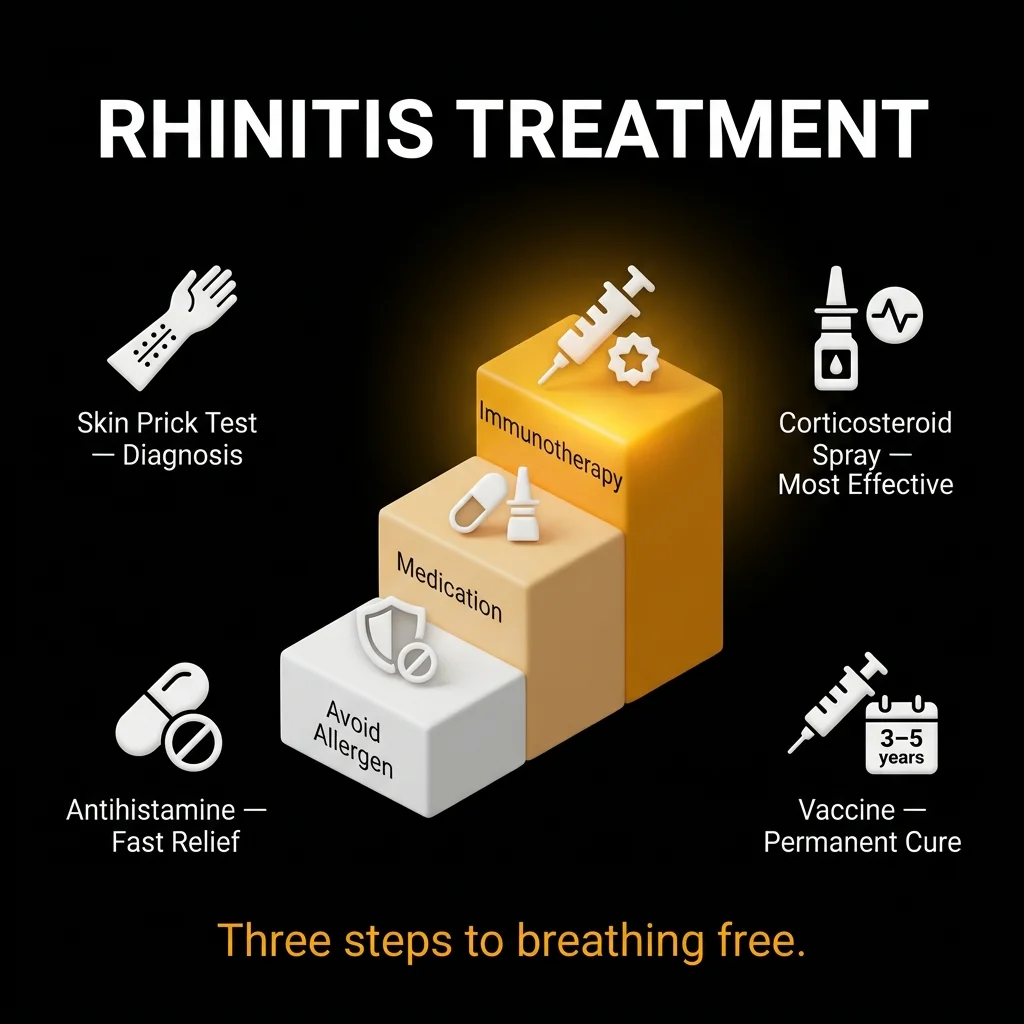
The Skin Prick Test, which is most commonly applied to the skin, is used in diagnosis. In this test, various allergen extracts are dripped onto the skin of the arm or back, and the reaction of the skin is observed within 15-20 minutes. When necessary, blood tests measuring specific IgE antibodies in the blood can also be utilized.
How is Allergic Rhinitis Treatment Structured?
The goal in allergic rhinitis treatment is to completely eliminate the complaints and return the patient’s quality of life to normal. Although treatment planning varies from patient to patient depending on the severity of the disease, physical examination findings, and allergy test results, it is essentially carried out in 3 stages:
1. Prevention from the Responsible Allergen (Environmental Control) This is the most important step of the treatment. Once the substance you are allergic to is identified, minimizing contact with it significantly reduces complaints.
- Those with pollen allergies should not open windows in the early morning hours, should use air conditioners with pollen filters, and should shower and change their clothes when they come from outside.
- Those with house dust allergies should not have carpets in their bedrooms, should use anti-allergic bed covers, and should wash bed linens at high temperatures.
2. Treatment with Medications (Pharmacotherapeutic Approach) Medications come into play when it is not possible to completely avoid allergens. These medications prescribed by your doctor do not completely eliminate the disease, but they provide complete relief by suppressing the symptoms as long as they are used.
- Antihistamine Pills and Syrups: These quickly stop itching, sneezing, and runny noses. New-generation drugs do not cause drowsiness.
- Corticosteroid Nasal Sprays (Intranasal Corticosteroids): These are the most effective long-term treatment drugs that open congestion by relieving inflammation and tissue swelling inside the nose. Since they do not enter the bloodstream, they do not have systemic side effects.
3. Vaccine Treatment (Immunotherapy) This is the only permanent treatment method capable of changing the course of allergic rhinitis. It is applied to patients who do not respond to drug treatment, do not want to use medication, or whose complaints are very severe. In vaccine treatment, the substance the patient is allergic to (e.g., pollen extract) is administered subcutaneously or sublingually, starting from very small doses and gradually increasing. The goal is to “acclimatize” and desensitize the immune system to that substance. As a result of this treatment, which lasts approximately 3 to 5 years, the body stops reacting to the allergen, and allergic rhinitis recovers permanently to a large extent.
Frequently Asked Questions (FAQ)
We have gathered the most frequently asked questions about the treatment and the topics our patients are most curious about for you:
How can I tell the difference between allergies and a cold?
The easiest way to distinguish between allergic rhinitis (hay fever) and a common cold is by looking at the duration and the nature of the symptoms. A cold usually lasts 7 to 10 days, may cause a low-grade fever or body aches, and the nasal discharge often becomes thick or yellow/green over time. In contrast, allergies do not cause a fever; instead, they are characterized by intense itching of the eyes and nose, paroxysmal sneezing, and clear, watery discharge. While a cold resolves quickly with rest, allergies will persist for as long as you are exposed to the allergen.
Can allergic rhinitis be cured permanently?
While allergic rhinitis is typically a chronic condition that is rarely ‘cured’ in the traditional sense, its symptoms can be managed to near-zero with modern treatments. Some children may outgrow their allergies as they age, but for most adults, symptoms tend to persist seasonally. However, Allergy Immunotherapy (allergy shots or drops) is the only treatment method that can permanently alter the course of the disease by desensitizing the immune system to specific allergens, providing long-term relief or a potential cure for many patients.
What happens if allergic rhinitis is left untreated?
Allergic rhinitis is more than just a minor annoyance; when left untreated, it can lead to several serious health complications. One of the most significant risks is the development of asthma, a progression often referred to as the ‘atopic march.’ Chronic nasal congestion can also result in chronic sinusitis, nasal polyps, and middle ear infections (otitis media) due to poor drainage. Furthermore, disrupted sleep caused by breathing difficulties can lead to sleep apnea, chronic fatigue, and decreased cognitive performance. In children, persistent untreated allergies may even cause dental and facial structural changes due to long-term mouth breathing.
Is it safe to use allergy nasal sprays during pregnancy?
Managing allergic rhinitis during pregnancy begins with non-pharmacological options, such as saline nasal rinses or ‘ocean water’ sprays, which are completely safe. If symptoms are severe, certain low-dose corticosteroid nasal sprays (e.g., Budesonide) or Category B antihistamines (such as Loratadine or Cetirizine) may be recommended by a physician. However, oral decongestants (like pseudoephedrine) should generally be avoided, especially during the first trimester. It is crucial to consult your obstetrician or an ENT specialist before starting any medication to ensure it is safe for both you and your baby.
What is the best age for a child to get an allergy test?
There is no strict age limit for allergy testing; it can be performed as soon as symptoms emerge, even during infancy. While food allergies can be identified within the first few months of life, testing for environmental triggers like pollen or dust mites is typically most accurate after the age of 2 or 3, once the immune system has matured. Regarding timing, the most important factor is antihistamine withdrawal; patients must stop taking allergy medications for at least 5 to 7 days before a skin prick test. For seasonal allergies, testing is ideal just before or after the peak season to accurately identify triggers.

Op. Dr. ALİ OĞUZ DEMİR
Otolaryngologist (ENT Specialist)
Following his specialization training, Dr. Ali Oğuz Demir has performed over 500 rhinoplasty surgeries. He holds a National Certificate of Professional Competence, has completed theoretical and practical training at the School of Facial Plastic Surgery, and has international clinical and observational experience from Dr. Yves Saban’s clinic in France.
Take the First Step for a New Beginning!
Clinic Address:
Contact Us
Enjoy the Seasons Freely, Breathe Comfortably
The decision for allergy treatment is one of the best investments you can make in yourself to regain your quality of life. Meet our expert team to leave behind sneezing fits and nasal congestion, and to step into a brand new era where you will enjoy nature without fear. You can contact our clinic and schedule a consultation appointment to answer all your questions and create your personalized treatment plan. We are here to help you and support you throughout this recovery process!